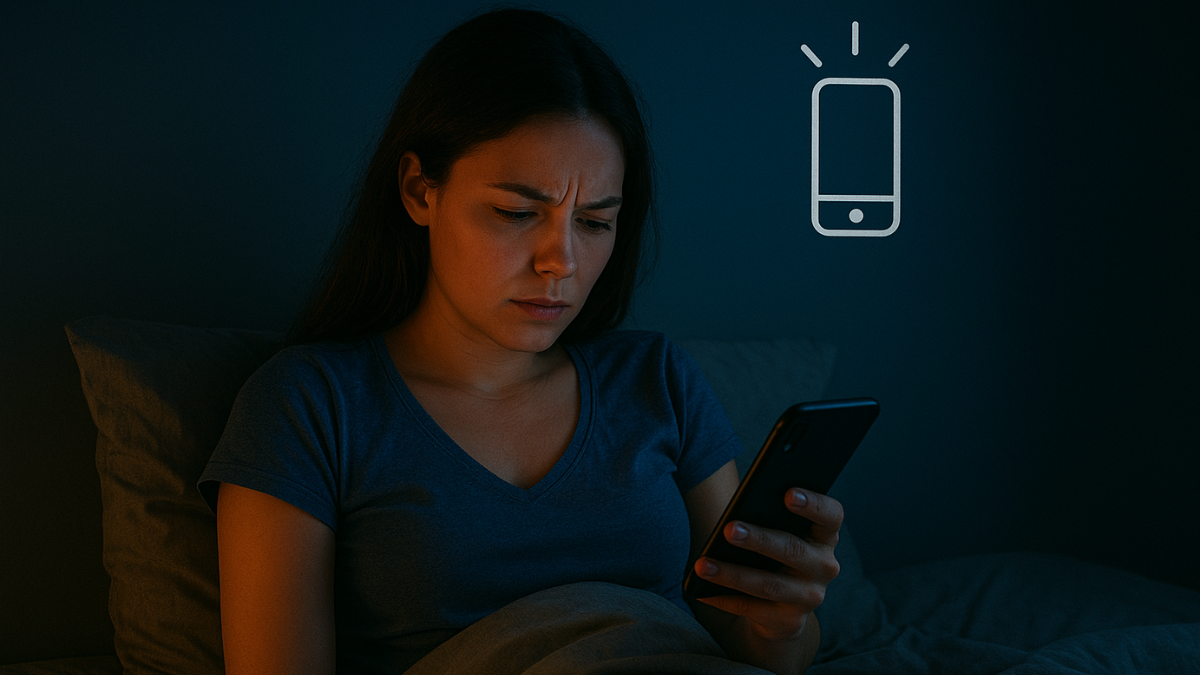


If you wake up at 3 AM every night, you’re not alone — and you’re not broken.
Millions of people fall asleep easily, only to wake up in the early morning hours with a racing mind, a sense of alertness, or the inability to fall back asleep. For many, this pattern repeats night after night.
The good news?
This type of sleep disruption is not random, and in most cases, it’s fixable once you understand what’s actually happening inside your body.
In this guide, we’ll break down:
-
Why 3 AM wake-ups are so common
-
The most overlooked biological causes
-
Why popular sleep aids often fail
-
What actually helps you stay asleep longer
Why 3 AM Wake-Ups Are So Common
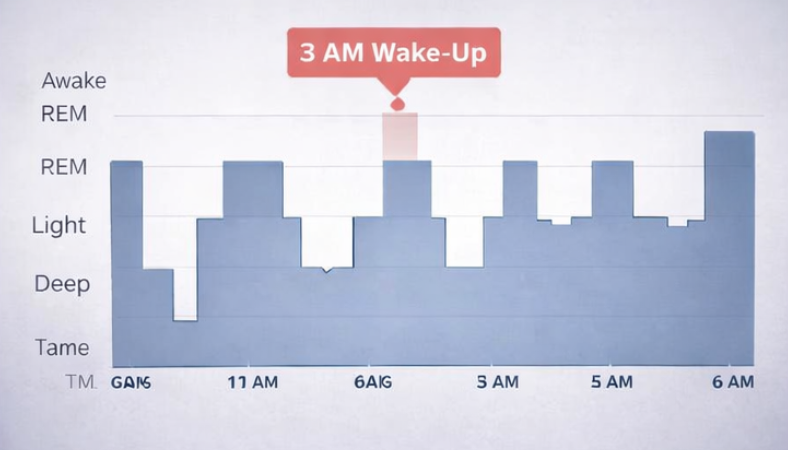
Sleep happens in cycles, not in a straight line.
Each night, your body moves through multiple sleep stages — light sleep, deep sleep, and REM sleep — roughly every 90 minutes. Around 3 AM, many people naturally enter a lighter sleep phase.
If something pushes your body into “alert mode” at that time, you wake up.
The real question isn’t why you woke up once — it’s why your body can’t return to sleep.
The 5 Most Common Reasons You Wake Up at 3 AM
1. Cortisol Spikes (The #1 Cause)
Cortisol is your body’s main stress hormone.
Normally:
-
Cortisol is low at night
-
It rises gradually toward morning
But chronic stress, anxiety, overtraining, or poor sleep habits can cause early cortisol spikes, often around 2–4 AM.
When this happens:
-
Your heart rate increases
-
Your brain becomes alert
-
Falling back asleep feels impossible
Many people describe this as “tired but wired.”
2. Blood Sugar Drops During Sleep
If your blood sugar drops too low overnight, your body releases adrenaline and cortisol to stabilize it.
This can happen if you:
-
Eat very little at dinner
-
Follow very low-carb diets
-
Drink alcohol in the evening
The result is a sudden wake-up — often at the same time every night.
3. Nervous System Overactivation
Your nervous system has two modes:
-
Parasympathetic (rest & digest)
-
Sympathetic (fight or flight)
If your nervous system stays stuck in sympathetic mode, your body never fully relaxes — even during sleep.
This is common in people with:
-
Anxiety
-
Burnout
-
Long-term sleep deprivation
4. Hormonal Changes
Hormonal shifts can strongly affect sleep, especially:
-
Perimenopause and menopause
-
Thyroid imbalance
-
Irregular cortisol rhythms
These changes often show up as early-morning awakenings, not difficulty falling asleep.
5. Conditioned Wake-Ups
After weeks or months of waking up at 3 AM, your brain starts to expect it.
Your body learns the pattern — even after the original trigger is gone.
This is why some people wake up at exactly the same time every night.
Why Melatonin Often Doesn’t Fix 3 AM Wake-Ups
Melatonin helps with falling asleep, not staying asleep.
If you:
-
Fall asleep easily
-
Wake up hours later
-
Feel alert instead of sleepy
…melatonin is often the wrong tool.
For some people, melatonin can even:
-
Increase vivid dreams
-
Disrupt natural hormone rhythms
-
Stop working over time
This is why many people say:
“Melatonin helped at first, but now I still wake up at 3 AM.”
What Actually Helps You Stay Asleep
The goal is not sedation.
The goal is restoring balance so your body feels safe enough to remain asleep.
What tends to work best:
-
Reducing nighttime cortisol
-
Supporting the nervous system
-
Stabilizing sleep cycles
-
Using gentle, non-habit-forming support
This is where melatonin-free approaches often outperform traditional sleep aids.
(We’ll cover supplements and options in detail in the next pillar guide.)
When 3 AM Wake-Ups Become a Bigger Issue
You should look deeper if:
-
This happens most nights
-
You feel exhausted during the day
-
Anxiety increases after waking
-
Sleep quality keeps declining
Chronic early awakenings can affect:
-
Mood
-
Focus
-
Hormones
-
Immune health
Addressing the root cause early makes recovery much easier.
Next Step: Solutions That Actually Help
If you’re tired of guessing and want practical solutions, the next guide breaks down what works — and what doesn’t.
👉 Read next:
The Best Natural Sleep Supplements for 3 AM Wake-Ups (Melatonin-Free Options That Actually Help)